

Labs will eat just about anything that hits the floor. If yours has ever launched at a dropped salad like it was a free buffet, you are not alone. The good news: most plain vegetables will not hurt your Labrador. The catch: dogs digest food differently than we do, so which vegetable, how much, and how you prepare it all matter. So, can Labradors eat vegetables safely? In most cases, yes, as an occasional treat, never as a replacement for balanced dog food.
Quick answer: Can Labradors eat vegetables? Yes. Labradors are omnivores and can eat many vegetables as occasional treats. Keep veggie treats under 10% of daily calories, skip the toxic ones below, serve plain and bite-size, and check with your vet before making diet changes, especially for weight loss.
A happy chocolate Lab. Image: Dktue via Wikimedia Commons, CC0 public domain.

The 10% treat rule
Even when dogs can eat vegetables safely, portion size is everything. Think of vegetables the way you would think of candy for kids: fun in small amounts, a problem in large amounts. Too many vegetables can mean gas, loose stool, vomiting, or an unbalanced diet, because a Lab’s digestive system is not built for large volumes of plant fiber.
- Veggie treats: 10% or less of daily calories.
- Introduce one new vegetable at a time, in a small amount.
- Stop and call your vet if you see vomiting, diarrhea, bloating, weakness, or loss of appetite.
- Talk to your vet first if your Lab has kidney disease, diabetes, is on medication, or needs to lose weight. A quick vet check is the safest way to confirm how your dog can enjoy vegetables.
17 safe vegetables your Labrador can eat
Wondering how often can Labradors eat vegetables? A little of the safe picks below can be a daily treat within the 10% rule. All served plain: washed, cut small to prevent choking, no salt, butter, oil, garlic, or onion seasoning. Light cooking usually makes vegetables easier for Labradors to digest. For a second opinion, see the AKC guide to fruits and vegetables dogs can and cannot eat.
1. Broccoli
Low fat, high fiber, with vitamins C and K. Serve only small florets, raw or lightly cooked. The natural compound isothiocyanate can irritate stomachs and cause heavy gas in larger amounts.
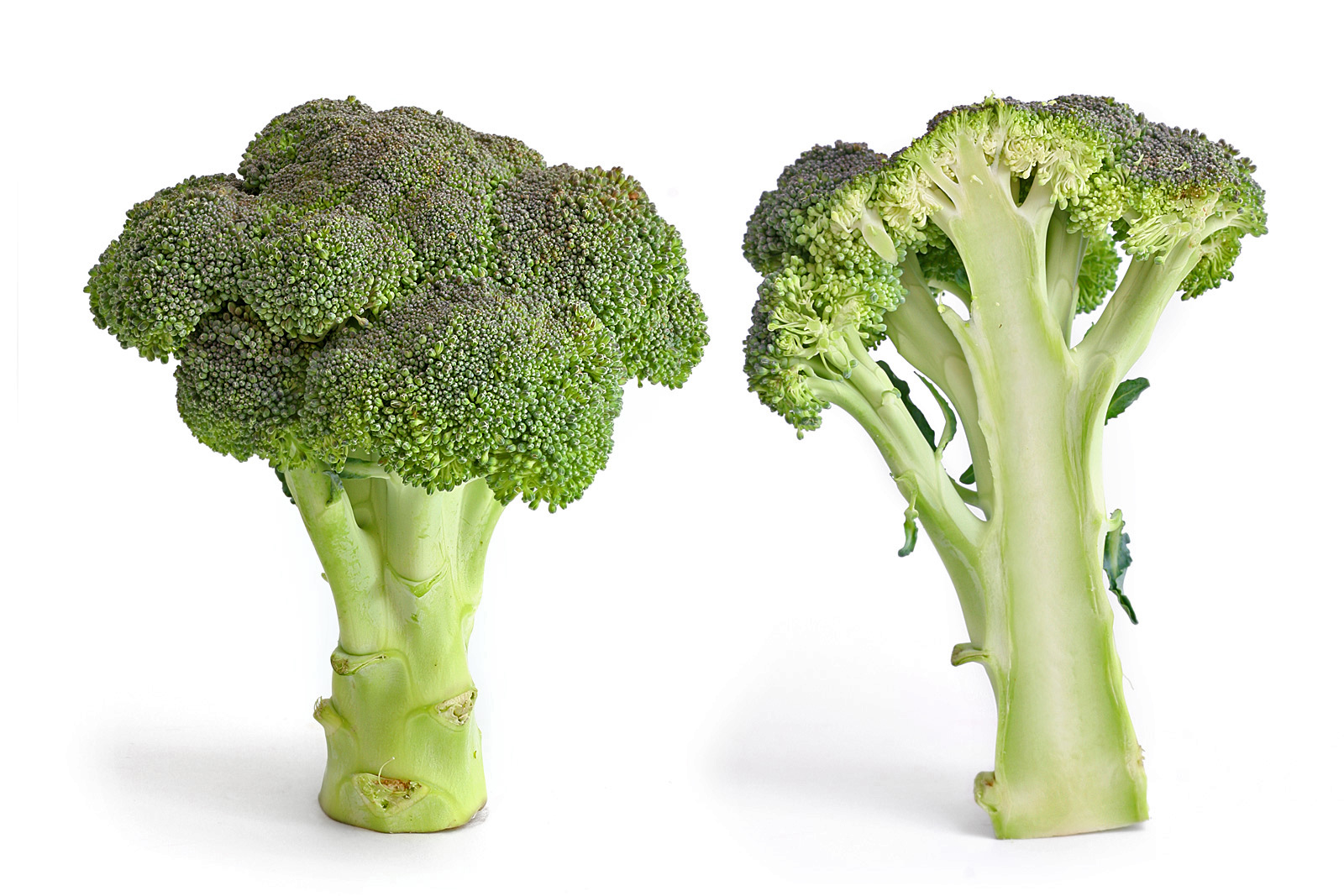
Plain raw broccoli, whole and halved. Image: Fir0002 via Wikimedia Commons (GFDL 1.2).

2. Carrots
A Furritory favorite for crunch. Raw or cooked, rich in fiber, beta-carotene (vitamin A), and vitamins K and C. Great low-calorie chew. Cut into sticks or coins for your dog’s size.
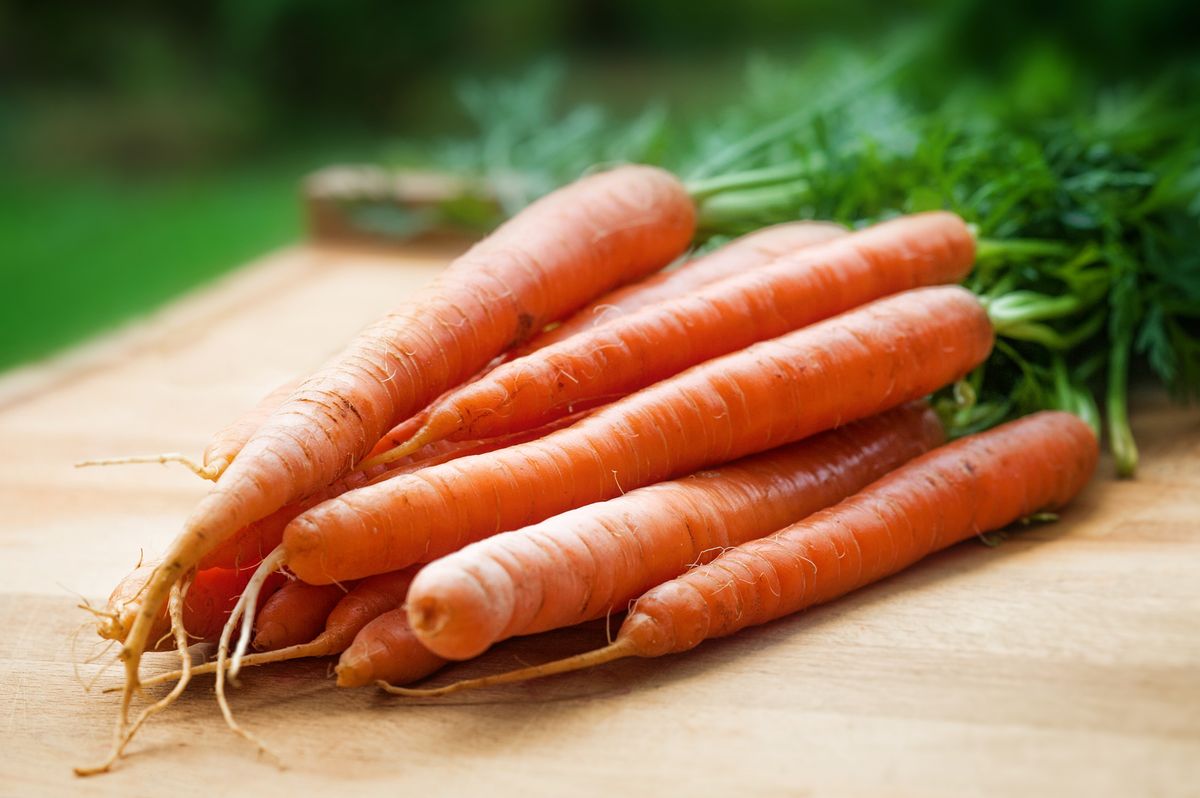
Fresh carrots with tops. Image: Pexels free to use (photo 143133).
3. Brussels sprouts
Full of fiber and antioxidants plus vitamin K. Steam or boil first, raw is hard to digest. Small portions only, they cause gas just like broccoli.
4. Cabbage (red, savoy, bok choy)
Healthy in small amounts, with fiber and vitamins C and K. Introduce slowly and cook it. Expect gas if you overdo it.
5. Cauliflower
Safe with vitamins C and K, calcium, potassium, and folate. Same warning as its cousins: small, preferably cooked portions, or you will both regret it.
6. Asparagus
Nutritious but tricky raw. Serve cooked only, plain steamed or boiled, cut small. Stalks are tough to chew, and asparagus can make urine smell strong.
7. Celery
Safe, low fat, and crunchy. Good source of fiber and vitamins A, B, C, and K. Often suggested as a weight-friendly treat. It may even freshen breath a little.
8. Beets
Rich in fiber, iron, and vitamins. Small amounts only: high in oxalic acid, which in excess can contribute to kidney or bladder stones. Bake or roast, then mash a little over dinner. Skip canned beets, too salty.
9. Corn (kernels only, never the cob)
Off-the-cob kernels in tiny amounts are fine and give quick energy from starch. Never give a whole cob: dogs can swallow chunks and end up with choking or intestinal blockage. Skip buttered popcorn and salted canned corn.
10. Cucumber
Mostly water, plus vitamin K. Peel, cut bite-size, and serve as a cool summer crunch. Great for hydration on hot days.
11. Bell peppers (all colors, red most nutrient-dense)
Safe, low calorie, high in vitamins A, B6, C, and E. Remove seeds and stems. Raw peel can be thick and chewy, so many Labs prefer them lightly steamed or mashed.
12. Eggplant (flesh only, cooked)
Plain cooked eggplant in a tiny taste-test amount is fine for most dogs. Boil, bake, or grill with nothing added. Never feed leaves or stems: they contain solanine, which is toxic in larger amounts. Skip it if your dog dislikes the taste.
13. Green beans
One of the best veggie treats: low calorie, high fiber, and most dogs love them. Raw, steamed, or plain canned with no salt or additives. Many vets suggest swapping a little kibble for green beans during weight loss, with vet guidance.
14. Potato (cooked only, no skin)
Plain boiled, baked, or mashed potato without skin is safe in moderation. Never feed raw or green potatoes: they contain solanine. High in carbs, so keep portions small, especially for chunky Labs. No fries, chips, salt, or butter.
15. Sweet potato (cooked, no skin)
Better pick than white potato: fiber plus vitamins A, B6, and C. Steam or boil to keep nutrients, peel first. Starchy, so go easy for overweight, inactive, or diabetic dogs.
16. Zucchini
Safe, low fat, easy to digest. Serve steamed or boiled. A small slice of frozen zucchini makes a nice summer bite.
17. Peas (fresh or frozen, not canned)
Safe and easy on digestion, with vitamins A, K, and B plus iron and potassium. Good energy snack for long walks. Avoid canned peas: too much sodium and additives.
Vegetables your Labrador must never eat
Onion family: onions, shallots, leeks, chives, garlic
Toxic to dogs. They can damage red blood cells and cause anemia. Garlic is roughly five times more potent than onion by weight. Signs of a toxic dose include nausea, vomiting, diarrhea, drooling, belly pain, weakness, breathing trouble, or collapse. This is an emergency vet situation.
Raw or green potato (and green tomato)
Solanine can affect the nervous system, vision, digestion, and heart rate. Cooking lowers solanine, which is why plain cooked potato without skin is acceptable and raw is not.
Rhubarb leaves
Contain soluble oxalic acid. Signs include drooling, vomiting, diarrhea, weakness, tremors, and in severe cases kidney failure. If you grow rhubarb, fence it off and never leave your dog unsupervised near it.
Wild mushrooms
Many wild varieties are toxic. Effects range from stomach upset to liver and kidney failure, confusion, seizures, and death. Do not let your Lab grab mushrooms on walks or in the woods.
So while Labradors can eat many vegetables, the ones above are never worth the risk. When in doubt, skip it and ask your vet. Bookmark the ASPCA list of people foods to avoid feeding your pets for quick checks.
How to prepare vegetables for your Labrador
- Wash first. Rinse off dirt and pesticides. Peel when skins are tough or unsafe (potato, sweet potato).
- Cut small. Bite-size pieces prevent choking, especially for gulpy Labs.
- Serve plain. No frying, no oil, no salt, butter, or seasoning. What tastes great to us can harm them.
- Steam or boil. The safest everyday methods. They soften fiber while keeping nutrients and color.
- Blanch. Quick dip in boiling water, then ice water. Cleans the surface and keeps crunch and vitamins. No oil needed.
- Puree. Best for digestion. Blend soft veggies raw (like celery) or lightly cook hard ones (carrots, sweet potato) first, then blend. Freezing puree in an ice-cube tray makes easy grab-and-go portions.
- Freeze smart. Batch-cook, portion, and freeze. Thaw before serving. Once you know which vegetables Labradors can eat, prep a weekly tray so treats are always ready.
Can vegetables help your Labrador lose weight?
So can Labradors eat vegetables to help with weight loss? Sometimes, yes, with vet supervision. Swapping a small part of dinner for plain green beans or another low-calorie veggie can keep the bowl looking full while cutting calories. But sudden diet changes can upset digestion, and chubby Labs often need a full plan, not just veggie swaps. Ask your vet how to mix diet food with regular food and how fast to transition.
FAQ
Can Labradors eat vegetables every day?
Small amounts of safe veggies can be a daily treat, as long as the total stays under 10% of daily calories and the main diet stays complete and balanced.
What is the easiest vegetable to start with?
Carrots or green beans. Familiar, crunchy, low calorie, and easy to portion.
Are frozen vegetables okay?
Yes, plain frozen peas, carrots, or green beans are fine once thawed. Avoid mixes with sauce, salt, or seasoning.
My Labrador ate onion or garlic. What now?
Even though Labradors can eat plenty of vegetables, onion and garlic are emergencies. Call your vet or ASPCA Poison Control right away. Note what was eaten, how much, and when. Do not wait for symptoms.
The Furritory take
Rewarding your dog never gets old. Now that you know Labradors can eat vegetables like carrots and green beans, a crunchy veggie can be a healthier everyday reward than store-bought treats for many Labs. Start small, keep it plain, watch how your dog responds, and keep the toxic list out of reach.
Want mealtime to be calmer and cleaner? Browse Furritory’s slow feeders and easy-clean bowls made for enthusiastic eaters like Labs.
Vet-reviewed at Furritory: all our posts are reviewed by a veterinarian. Reviewer details (name and LinkedIn profile) are listed in our About Us section.
This guide is for general information and is not a substitute for veterinary advice. Every Lab is different. Check with your veterinarian before changing your dog’s diet, especially if your dog has a health condition.