Learning how to calm an energetic Labrador takes routine, not force. Hyper Labradors are usually under-exercised, under-stimulated, or adolescent, and all three causes respond to the same fix: daily physical outlets, mental work, and consistent training.
This guide explains when Labs calm down, why the breed runs hot, the five real causes of hyperactivity, and five solutions that work for apartment and house owners alike.
When Do Labrador Puppies Calm Down?
Most Labradors start calming around their first birthday and settle noticeably by 18 months with consistent training. The peak hyperactivity window runs from roughly 5 to 12 months, when young Labs jump, mouth, and ricochet around the house. Smaller breeds mature out of this phase faster, while large working breeds like Labradors need more time and more training to reach the same calm.
Do not blame the puppy for acting like a puppy. Hyperactivity at this age is developmental, not disobedience, and patient training during this window shapes the adult dog. Owners who survive adolescence with routines intact usually get a calm, steady adult Lab as the reward.
Why Is My Lab So Hyper?
Labradors are hyper because they were bred as working retrievers with elite stamina. In the early 1700s, the breed’s ancestors worked freezing North Atlantic waters with fishermen, retrieving fish, hauling nets, and fetching ropes for hours. That engine still ships in every modern Lab. A dog built for all-day retrieving cannot stay calm on two short walks and a backyard.
Modern breeding lines differ. Field and working lines carry more drive than show lines, so two Labs of the same age can have very different energy levels. Knowing which type owns the couch explains a lot about what the day must include.
5 Reasons Your Labrador Is Restless
Rule out puppyhood and normal breed energy first. Beyond those, five causes explain most hyper Labradors.
1. Lack of Exercise
Insufficient physical activity is the top cause of Labrador hyperactivity. Labs need to walk, run, and play daily to discharge the energy in their strong bodies. Without age-appropriate routines, usually two real outings plus fetch games, restlessness is the expected result, not a surprise. A Lab that never pants during the day will bounce off the walls at night.
2. Boredom
Intelligent Labs invent jobs when none are given, and their inventions look like destruction: chewed shoes, shredded beds, gutted toys. Dogs left alone all day without interaction or enrichment almost always trend hyper, destructive, or both. Boredom and hyperactivity feed each other in a loop that only structured activity breaks.
3. Health and Food Issues
Occasionally hyperactivity traces to medication side effects or diet. Some drugs list excitability as a side effect, and high-sugar foods can spike energy. If hyperactivity arrives suddenly in an adult Lab, consult a veterinarian before assuming behavior. Pain and thyroid issues can also masquerade as restlessness.
4. Fear and Anxiety
Some hyper Labs are actually anxious Labs. Fireworks, thunderstorms, sirens, unfamiliar visitors, and chaotic environments push dogs into frantic motion as a coping response. Watch whether the frenzy clusters around triggers. True anxiety needs desensitization and sometimes veterinary support, not just more fetch.
5. Temperament and Missing Training
Energy varies by bloodline since temperament is inherited, and untrained Labs never learn to channel drive. Labs rank among the easiest breeds to train with positive reinforcement, so missing training is the most fixable cause on this list. An untrained adult Lab is not stubborn; it simply never learned what calm earns.
Solution 1: Burn Energy With Real Exercise
Give a hyper Lab more real exercise, starting with a morning and evening outing every day. Five minutes of fetch in a fenced area measurably takes the edge off, and longer runs, swims, or hikes do the rest. Apartment owners should read our guide Can Labradors Live in Apartments, and trail-ready adults can join longer adventures (see Are Labs Good Hiking Dogs?).

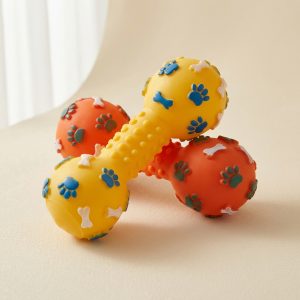
No yard nearby means finding a dog park, and full workdays mean considering daycare once or twice a week. Vary the venues since new smells and terrain tire brains as well as legs. A chew and training toy covers the gaps, turning hallway fetch and obedience games into legitimate energy outlets on busy days. End every session with a short cool-down walk so the Lab learns that excitement ramps down, not off a cliff.
Solution 2: Feed the Brain With Slow Feeders and Puzzles
Mental work calms Labs nearly as well as running. Slow feeder bowls stretch a 60-second meal into a long project, and puzzle feeders add problem-solving that genuinely tires the dog. A puzzle slow feeder at mealtimes converts feeding frenzy into focused work, and the settle that follows is the calm owners want all evening.
Layer enrichment through the day: rotate toys, freeze food-stuffed toys, scatter kibble in grass for sniffing games, and book a midday dog walker when away long hours. Sniffing is underrated calm-work since ten minutes of scent games exhausts many Labs like a full walk. Attention and novelty fight daytime boredom so evenings do not explode.
Solution 3: Rule Out Medical Causes
Persistent, unexplained hyperactivity deserves a veterinary exam. Ask about current medications and review everything the Lab eats, including treats and scavenged human food. The ASPCA general dog care guide is a solid baseline for diet and health checks while investigating. Track when the hyperactivity happens for a week first since patterns help vets distinguish medical from behavioral causes fast. Note meal times, walk times, and trigger events in a phone note, and bring that log to the appointment. A vet who sees that frenzy follows skipped walks rather than meals will point straight at routine, saving everyone time and tests.
Solution 4: Fix the Environment
Give fearful Labs a quiet retreat such as a covered crate in a calm room, and manage introductions to new dogs, people, and noises gradually. For noise phobias around thunder or fireworks, ask a veterinarian about treatment options. Masking background sound with music or dog-specific video streams helps as a short-term bridge.
A comfortable crate bed turns the crate from confinement into a den the Lab chooses, which makes the retreat strategy work. Feed meals in the crate for two weeks and most Labs start settling there voluntarily.

Solution 5: Train the Calm You Want
Train desired behaviors instead of punishing energy. Teach sit-for-greetings to replace jumping and go-to-mat on doorbell to replace rushing, rewarding calm choices the instant they happen. Keep sessions short, fun, and frequent. Labs respond eagerly to positive reinforcement, and owners typically see progress within days when training is consistent. The AKC Labrador breed page confirms the temperament owners are shaping: friendly, active, and highly trainable.

Add three structured games weekly. Mat training builds an off-switch since the Lab earns rewards only for lying still on a mat while distractions pass. Find-it games hide treats around one room and send the Lab searching, which burns mental fuel fast. Impulse control drills like wait-before-meals and leave-it practice the exact skill hyper Labs lack. End each game while the Lab still wants more so sessions stay exciting, and always reward with high-value treats during the learning phase before fading to praise. Ten minutes per game, two games a day, transforms evenings within two weeks. Sport classes such as agility or rally bundle all of it with expert coaching.
What Not to Do With a Hyper Lab
Never punish energy with shouting, leash jerks, or long isolation since punishment suppresses symptoms while raising stress, which rebounds as worse hyperactivity. Skip marathon punishment crating too: crates calm when used as dens for rest, but locking a wired Lab away for hours builds frustration that detonates at release. Avoid flooding overweight or unfit Labs into sudden extreme exercise; build duration over weeks with veterinary clearance for seniors. Finally, do not rehome during the adolescent peak without trying routines first since most cases resolve with the program above.
A Calm Lab Daily Routine That Works
Morning starts with a 30-minute outing mixing walk and fetch, breakfast from a puzzle feeder, then a short training game. Midday brings a walker visit or yard break plus a frozen chew. Evening means the second outing, dinner from a slow feeder, family time with a chew toy, and crate rest by ten. Weekends add one long adventure such as a swim, hike, or sport class. Owners who run this rhythm report calm houses within three weeks because every energy channel has a daily outlet.
Frequently Asked Questions
At what age do Labs calm down?
Most start settling around 12 months and calm notably by 18 months with training. Some lines stay lively for years, which training manages rather than eliminates.
How much exercise does a hyper Lab need?
Aim for 60 to 90 minutes daily across two outings plus fetch or play, adjusted for age and health with veterinary input.
Do puzzle feeders really calm dogs?
Yes. Fifteen minutes of problem-solving produces visible settling in most Labs, which is why trainers recommend them for high-energy breeds.
Should I get a second dog to calm my Lab?
Only if the household genuinely wants two dogs. A second dog adds energy as often as it absorbs it, so fix exercise and enrichment first.
Why is my Lab hyper at night?
Evening zoomies usually mean the day lacked outlets. Move part of the exercise later, add an evening puzzle feeder, and enforce a crate wind-down routine.
Can calming supplements replace exercise?
No. Supplements may take a mild edge off anxious dogs, but no chew replaces the daily outlets a working breed requires.
How fast does training show results?
Most owners see the first changes within one to two weeks of daily short sessions. Full reliability on cues like mat settling and doorbell manners typically takes four to six weeks of consistent practice across different rooms and distractions.

Reviewed for accuracy against veterinary guidance. Read about our pet-first standards.
Articles are reviewed by Hünkar Nazmi Öztürk for accuracy, behavioral context, and pet-safety considerations. Learn more about our editorial standards on our About Us page →