Can Labradors live in apartments? Yes. A Labrador Retriever can thrive in an apartment when its exercise, training, and routine are handled properly. Apartment Labradors need committed daily activity, neighbor-friendly manners, and a lease that welcomes large dogs.
Labs are big, social working dogs, so apartment life fails only when owners expect the dog to adapt alone. This guide covers the space question, the three real challenges, and the exact routines that make apartment living with a Lab work.
Can Labradors Live in Apartments?
Yes, Labradors can live in apartments. Adult Labradors stand 21.5 to 24.5 inches tall and weigh 55 to 80 pounds according to the American Kennel Club breed standard, yet size alone does not decide apartment suitability. Energy outlet, training, and daily routine matter far more than square footage, and a well-exercised Lab spends most indoor hours resting quietly.
How Much Space Does a Labrador Retriever Need?
A Labrador needs enough indoor room for a bed, a crate, and clear walking paths, not a yard. Labs do not pace or patrol the house when their exercise needs are met. A tired Lab naps. Whether the flat is large or modest, a Lab that runs, fetches, and trains daily will spend evenings asleep beside the sofa, not destroying it.
Smaller dogs are often the noisier apartment neighbors. Labs are generally calm indoors once mature, which makes them easier apartment dogs than many small, vocal breeds.
Apartment Challenges for Labradors
Three issues cause most apartment Labrador problems: no private outdoor space, noise that travels both ways, and extra housing costs. Each has a practical fix.
No Private Outdoor Space
Without a yard, every bathroom break means a leash, an elevator, and a route. Working-breed energy with nowhere to go turns into chewing, jumping, and restlessness. Apartment Labradors need scheduled outdoor exercise twice a day, not just quick potty trips.
Noise in Both Directions
Hallway voices, neighboring dogs, and stairwell traffic can set a Lab barking, and a Lab’s bark carries through walls. Paw nails on hard floors add a second noise source neighbors hear below. Both directions need management from week one.
Deposits, Fees, and Insurance
Many buildings charge pet deposits, monthly pet rent, or higher deposits for large dogs. Responsible dog care guidance starts with honest budgeting, and homeowner or renter policies sometimes price higher when a large dog lives closer to more neighbors.
Exercise: The Non-Negotiable for Apartment Labs
Apartment Labradors need 60 to 90 minutes of real exercise daily. Split it into a morning outing and an evening session, mixing walks with running, fetch, or swimming where allowed.
Find a dog park before signing a lease when possible. Membership parks that verify vaccinations and limit entry tend to be safer and calmer than open free parks. Running partners do well with Labs since the breed makes an eager jogging companion, and hikers can bring a conditioned adult Lab on trails (see our guide Are Labs Good Hiking Dogs?).
Durable Chew Toys for Apartment Labs
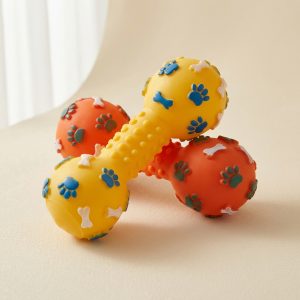
Rainy days, work calls, and rest hours still need an outlet, and this is where durable chew toys earn their place. Labrador jaws destroy flimsy toys in minutes, scattering stuffing across a small flat, so apartment owners should choose nearly indestructible chew toys built for power chewers. TPR dog toys are a strong pick here: thermoplastic rubber flexes under chewing instead of cracking, survives repeated sessions, and wipes clean.
Keep two or three durable toys in rotation, including washable TPR dog toys, so novelty never fades. A chew and training toy doubles as a fetch and obedience tool, letting owners train drop-it, hold, and retrieve inside a hallway or living room. Short indoor training games before work drain energy that would otherwise go into furniture, and a tired jaw means a quieter apartment.
Slow Feeders and Puzzle Feeders Stop Boredom Eating
Labs eat fast and get bored faster, a rough combination in a small space. Slow feeders turn a 60-second inhale into a 10-minute project, and puzzle feeders add problem-solving that tires the brain the way a walk tires the body. For apartment Labradors, slow feeder bowls and puzzle feeders are among the highest-value purchases owners make.
Use a puzzle slow feeder for at least one meal a day. Scatter part of the ration inside, let the Lab work it out, and watch the post-meal settle that follows. Dogs fed from puzzle feeders nap sooner and settle deeper, which is exactly what apartment walls need. Rotate feeder styles weekly so the challenge stays fresh.

Noise Control and Neighbor Relations
Train a quiet cue early. Never punish barking itself; reward silence on a consistent signal such as “enough,” practiced in short daily sessions. A pet camera with two-way audio helps reinforce calm behavior when away from home.
Lay rugs or runners over hard floors along the dog’s usual paths. Rugs cut nail-click noise dramatically and protect deposits from scratches. Introduce new neighbors early, share a contact number, and keep greetings short and positive so the Lab learns hallway manners.
Protecting Your Deposit
Disclose the dog before signing anything. Read the pet policy line by line, confirm weight limits and breed rules in writing, and photograph the unit at move-in. Crate-train for unsupervised hours, keep chew toys available, and clean scuffs promptly. Most deposit loss comes from surprise damage, and surprises come from under-exercised dogs.
5 Rules for Apartment Labrador Owners
Time together matters most. Labradors are social dogs that deteriorate when ignored, so build walks, training, and rest around contact with the family.
Desensitize apartment sounds gradually. Elevators, intercoms, and hallway noise stress new dogs, so pair each sound with treats until the Lab relaxes. Stay consistent with potty routines since puppies need many daily trips; pee pads bridge the gap on high floors. Keep vaccinations current because management may request records and close living quarters raise exposure. Finally, give the Lab a job when alone: a frozen food puzzle, then nap time in a comfortable crate bed sized for an adult Lab.
Frequently Asked Questions
Are Labradors good apartment dogs for first-time owners?
They can be, with commitment. A first-time owner who meets the daily exercise requirement and trains consistently does better than an experienced owner who skips it.
Do Labradors bark a lot in apartments?
Labs bark moderately, usually at triggers like doorbells and hallway noise. Quiet-cue training plus desensitization keeps it within neighbor tolerance.
Can a Labrador puppy grow up in an apartment?
Yes, and puppies raised in flats often adapt better than adults moved in later. Expect many elevator trips daily during house training.
What floor is best for a Lab?
Ground floors simplify potty breaks enormously. Higher floors work with routine and pads, but add real daily effort.
Reviewed for accuracy against veterinary guidance. Read about our pet-first standards.
Articles are reviewed by Hünkar Nazmi Öztürk for accuracy, behavioral context, and pet-safety considerations. Learn more about our editorial standards on our About Us page →