
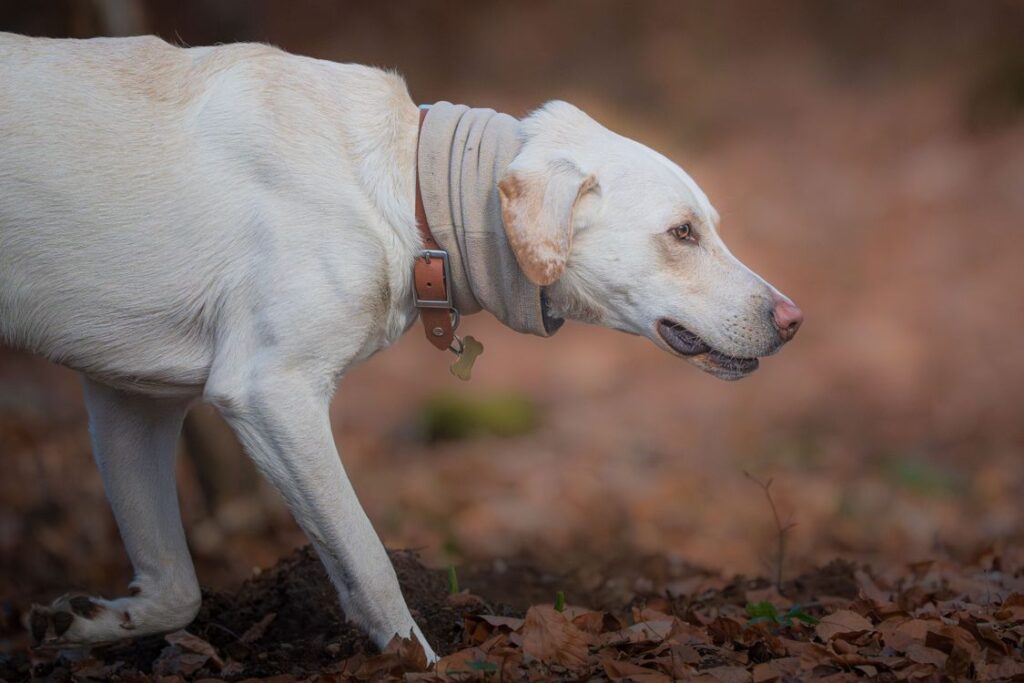
Are Labs Good Hiking Dogs? Quick Answer
Yes — are Labs good hiking dogs? For most fit, healthy adult Labradors, the answer is yes. Labs combine stamina, a sturdy medium-large build, trainability, and a love of being with their people, which makes them natural trail companions. Start with short walks, build distance gradually, and always hike with water, a leash, and a plan.
Why Labs Suit the Trail
A good hiking dog needs three things: enough size and strength for uneven terrain, the endurance to finish the route, and the training to stay safe and under control. Labrador Retrievers check all three boxes. They are strong without being giant, bred for sustained activity, and eager to follow cues when trained.
Temperament helps too. Labs bond closely with their families and genuinely enjoy shared adventures — a hike with you is their idea of a great day. That loyalty is an asset, not a substitute for training: no dog is born trail-ready, and every Lab needs conditioning before a full-day hike.
When Can a Lab Start Hiking?
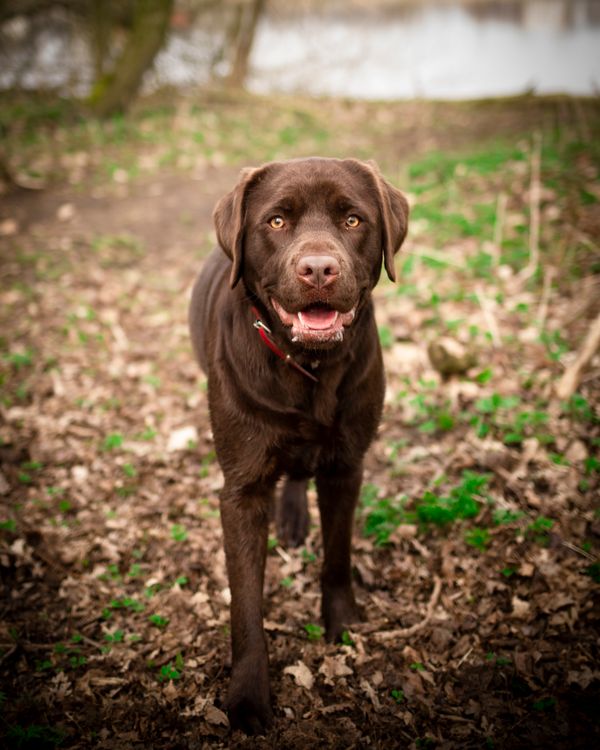
Wait until your Labrador is physically mature — around 18 months for this large breed — before attempting strenuous hikes. Puppies may seem full of energy, but their bones and joints are still developing, and long, hard climbs can strain growth plates and cause lasting joint problems.
What to do instead: take your puppy on short, easy walks, practice leash skills, and let them experience new sights and sounds at their pace. Keep outings short, watch for tiredness, and remember that an excited puppy that runs ahead or wanders off-trail can get lost or hurt quickly.
How Far Can Labs Hike?
A healthy, conditioned adult Lab can comfortably handle long walks — many manage 10+ miles on suitable terrain once built up to it. But fitness matters more than breed averages. A Lab whose exercise has been short park strolls is not ready for a 12-mile mountain day, no matter what the breed standard says.
Build up the way you would your own fitness: add distance gradually over weeks, combine walks with a balanced diet and rest days, and watch how your dog recovers after each outing. If they bounce back quickly, you can extend the next one. If they are stiff or flat the next day, scale back. Note: figures vary by individual dog, terrain, heat, and altitude — treat any mileage number as a rough guide, not a promise.
Signs You Pushed Your Lab Too Far
Dogs will follow you far past their limits, so do not wait for your Lab to stop — by the time a dog collapses, you went too far long ago. A little panting is normal. Multiple signs at once mean stop, rest, cool down, and head back:
- Excessive panting with a swollen-looking tongue. Drooling that suddenly stops can signal dehydration — offer water right away.
- Breathing that stays labored after a 15-minute rest. If it does not settle, the day is over.
- Lagging behind after leading or keeping pace. Turn back while your dog can still walk out comfortably.
- Wobbliness or unsteadiness, which can point to heat illness, dehydration, or worse — rest immediately and assess.
- Limping or lameness. Check paw pads for cuts or debris, then cut the hike short.
Every dog reads a little differently. Learn your own Lab’s normal pace and breathing so you notice changes early.
Hiking Gear Checklist for Labs
Pack for your dog the way you pack for yourself. The basics:
- Leash and ID: a sturdy leash plus collar tags. Even friendly Labs need leashing around strangers, private land, wildlife, and group hikes. The AKC’s hiking guide stresses leash control as core trail etiquette.
- Water plus a bowl: bring more than you think you need, and do not let your Lab drink from puddles or still pools, which can carry leptospirosis and other pathogens. A dedicated bottle such as the Portable Dog Water Bottle for Walking & Travel keeps trail hydration simple, and the Collapsible Double Dog Bowls with Mat – Portable Food & Water Set give a clean place to serve food and water at camp.
- Visibility for evenings: if you will be out near dusk or camping overnight, a light helps you spot your dog fast. The LED Light Up Dog Collar for Night Walks is made for exactly these low-light moments.
- First-aid basics: bandages, antiseptic, tweezers for ticks, plus any medication your vet recommends. Check for ticks and burrs after every hike.
- Paw protection: hot rock, sharp shale, ice, and cactus all punish paws. Know the terrain in advance; boots or paw balm help where the ground demands it, and some routes are simply better skipped with a dog.
- Food and poop bags: pack the day’s food portion, a few treats, and bags for everything your dog leaves behind.
Before You Hit the Trail With Your Lab
Condition first. Trade one long weekend epic for several shorter walks that grow week by week, and practice recall, loose-leash walking, and “leave it” before you need them around wildlife. The AKC’s training walkthrough is a solid primer if you want a structured plan.
Break in new gear at home. Let your Lab wear a new pack empty around the house, then on a neighborhood walk, before adding any weight. A bottle of water or the first-aid kit is plenty to start. Watch for rubbing at the straps.
Pick a genuinely dog-friendly trail. Rules differ by park — many national parks restrict dogs on trails — so check the park’s own site before you go, confirm dogs are allowed, and note leash rules, parking, and the trailhead location. A quick “[trail name] dogs allowed” search plus the official park page usually settles it.
Trail Dangers and Water Safety
Uneven ground twists ankles — yours and your Lab’s. Snakes, insects, toxic plants, and other off-leash dogs all appear without warning. In some regions, add wildlife traps near easy-access areas, foxtails in ears and paws, and rodents that can carry disease. Keep your Lab on the trail and within sight, leash up at any sign of wildlife, and give rattlesnake country extra respect: no nose-diving into log piles or rock crevices.
On water: your Lab will want to swim, and swimming is great cooling on hot days — but only in water you trust. Avoid stagnant pools, confirm your dog’s vaccinations are current before the trip, and dry your Lab (a quick towel-down, pack off until dry) before hiking on, since damp skin under straps chafes. The ASPCA’s outdoor guide has a good safety refresher for shared wild spaces.
One diet note: keep hike-day feeding simple and familiar, and ask your vet before changing anything about your dog’s food. New energy products on top of exertion are a recipe for stomach trouble.
FAQ
At what age can a Labrador start hiking?
Around 18 months for strenuous hikes, once growth plates have closed. Before that, stick to short walks and training. Your vet can confirm your individual dog is ready.
Are Labs good hiking dogs for beginners?
Yes — are Labs good hiking dogs even if you are new to hiking? They are one of the more forgiving breeds to start with: trainable, sturdy, and people-focused. Start with easy, dog-allowed trails and build up together.
How many miles can a Lab hike?
Many fit adult Labs handle 10 or more miles on moderate terrain, but build up gradually and let recovery guide you. Heat, altitude, and rough ground all shorten the day.
Do Labs need boots for hiking?
Not always, but bring paw protection on hot rock, sharp shale, snow, or ice. Test boots at home first — most Labs need a few short practice sessions before they walk normally in them.
What should I pack for my Lab?
Water plus a bowl, food and treats, leash and ID, poop bags, a first-aid kit, paw protection suited to the terrain, and a light or light-up collar if you will be out near dark.
Final Take
Are Labs good hiking dogs? For active owners willing to condition gradually, pack properly, and read their dog on the trail — absolutely. A fit adult Lab is strong, willing, and happiest right beside you on the climb.
Start with your vet, start short, and let the long-trail days come to you.
Reviewed by the Furritory Vet & Care Team — learn more about us on our About Us page. General information only: if your Lab is very young, senior, or managing a health condition, check with your veterinarian before starting a hiking routine.
Articles are reviewed by Hünkar Nazmi Öztürk, certified veterinarian, to ensure medical accuracy, behavioral advice, and non-toxic pet safety. Learn more about our veterinary team on our About Us page →