Indoor cats need daily play to stay lean, calm, and mentally sharp, and the right cat toys for indoor cats do most of that work for you. The best cat toys for indoor cats rotate between chase, pounce, and bat styles so your cat gets both a hunting workout and a cooldown — a single toy, no matter how good, loses its appeal within weeks. This guide explains what to look for, how to rotate toys so they stay interesting, and which interactive options work even when you’re out of the house.
Indoor-only cats are more prone to boredom, weight gain, and stress behaviors like over-grooming. A short daily play session with the right toy is the cheapest fix available. It also strengthens the bond between you and your cat at the same time. Below you’ll find our current picks and a simple rotation schedule.
What Makes Cat Toys Work for Indoor Cats
Effective cat toys for indoor cats trigger the hunt sequence: stalk, chase, pounce, “kill.” Toys that mimic prey movement satisfy the chase phase. That means a rolling ball, a fluttering wand, or a laser dot. Textured toys your cat can bite and kick satisfy the capture phase instead. Size matters too. A toy too big to grasp feels un-kickable, and one too small is a swallow risk. Always supervise anything that has catnip pouches or small parts. Put toys away between sessions so they stay novel. The PetMD play guide recommends rotating toys on a schedule to keep a cat’s interest from fading.
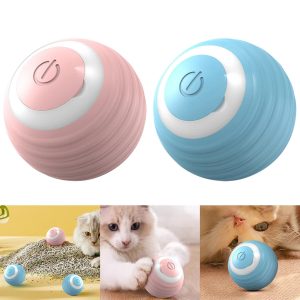
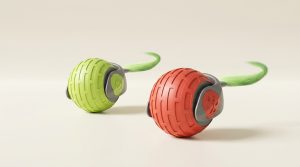
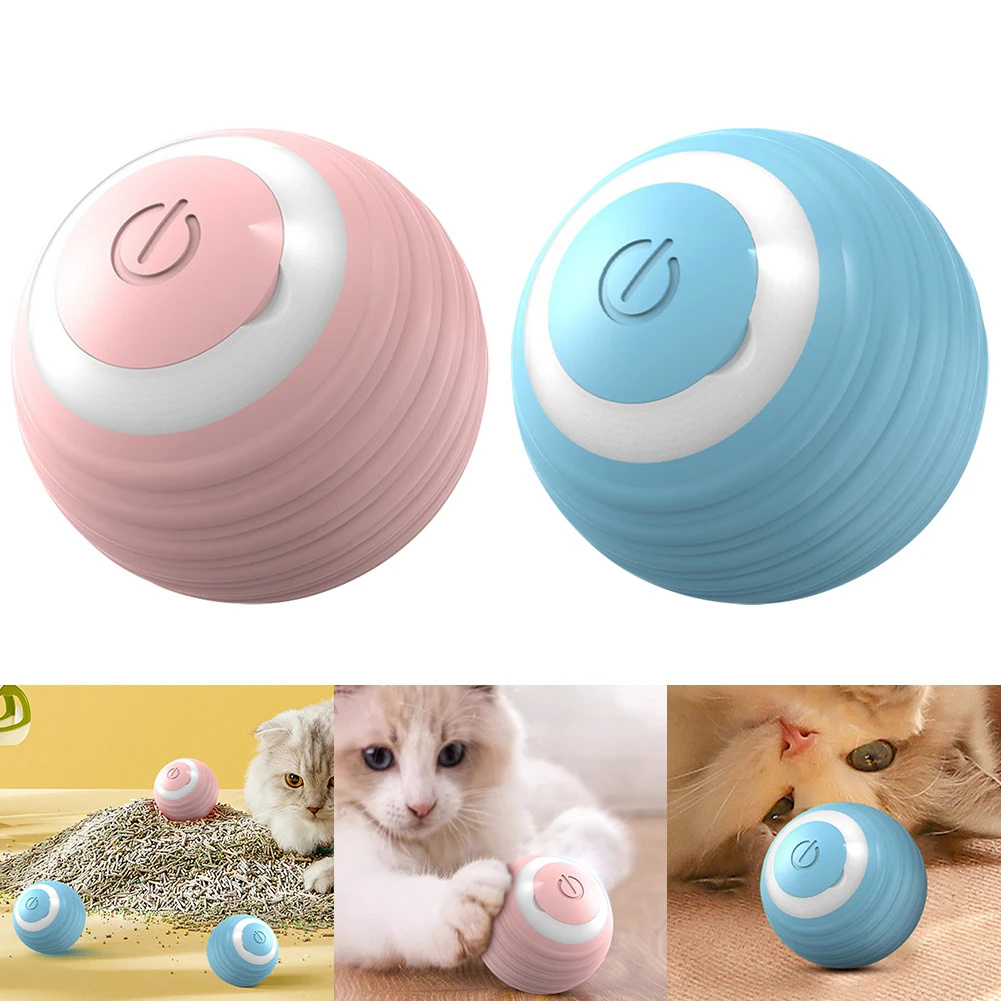
Our Interactive Windmill Cat Toy with Suction Cup & Catnip Balls is a strong capture-phase toy. The suction-cup base lets a cat grab, bunny-kick, and bat at the spinning wand. That is exactly the roughhousing indoor cats crave. For pure chase, the Smart Cat Toy Ball moves on its own and changes direction. It holds attention longer than a ball you have to roll yourself.
Best Cat Toys for Indoor Cats Who Are Home Alone
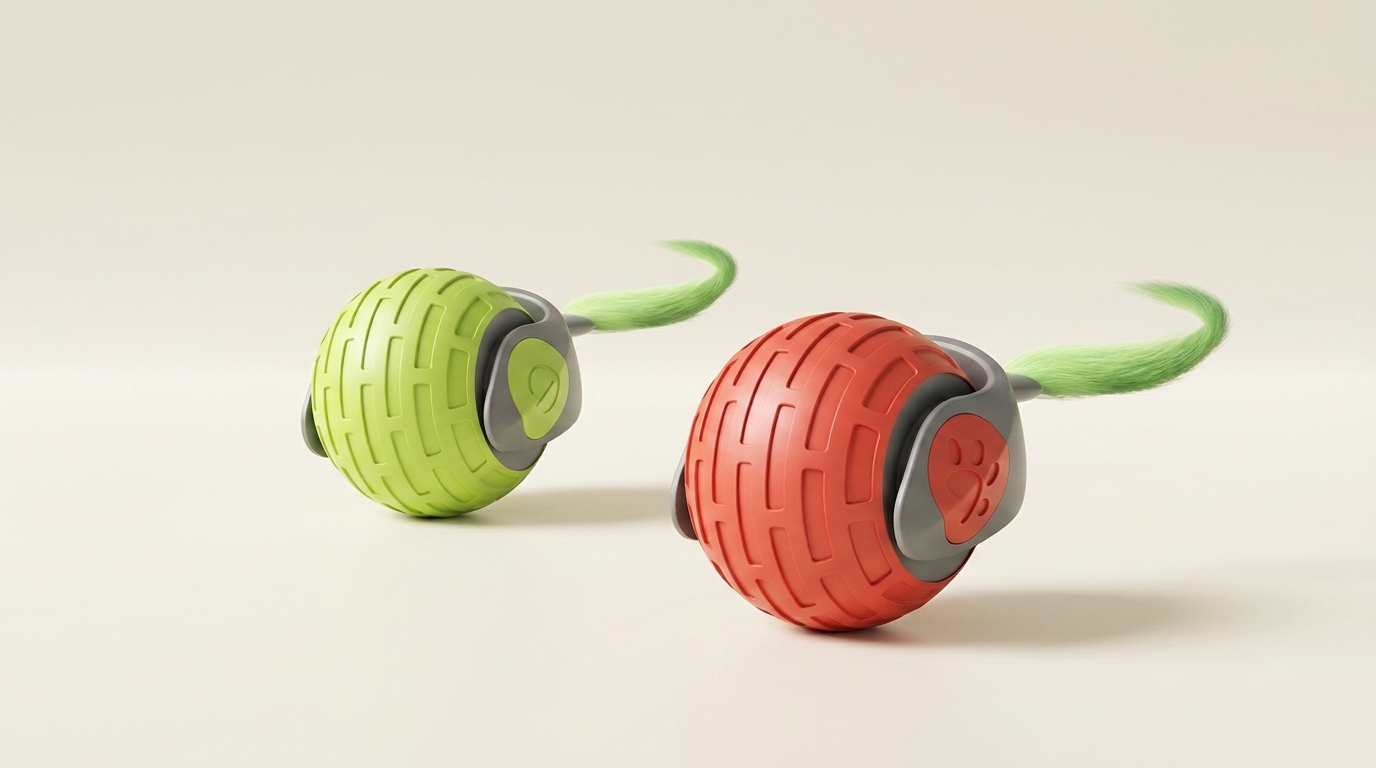
If your cat spends the day alone, pick cat toys for indoor cats that run on a timer or rechargeable battery rather than ones that need you. An Automatic Cat Laser Toy sweeps a dot across the floor on a set cycle, giving your cat a scheduled hunt while you’re at work. Just be sure to “end” each laser session by landing the dot on a physical toy your cat can catch. An un-caught laser can cause frustration. The Smart Electric Cat Toy & Rolling Ball is another good alone-time option. It’s USB-rechargeable, so there are no batteries to replace, and it self-rolls in irregular patterns.
For more on indoor enrichment beyond toys — climbing spaces, window perches, and puzzle feeders — PetMD’s indoor cat guide is a solid reference.
How to Rotate Cat Toys So They Stay Interesting
Treat cat toys for indoor cats like a wardrobe: keep three or four out, store the rest, and swap weekly. A toy that’s been hidden for two weeks is effectively new again. That is why cats often rediscover an old toy with full intensity. End each play session while your cat is still engaged, not exhausted — that leaves them wanting more next time. Wash fabric toys regularly, since catnip and saliva build up. Discard any toy once it starts shedding foam or fabric your cat could swallow.
When to See a Vet About a Sudden Drop in Play
An adult cat that suddenly stops chasing cat toys for indoor cats it always loved may be hiding pain, dental disease, or an illness like arthritis. Watch for other changes, such as appetite, litter box habits, and grooming. Book a checkup if the quiet period lasts more than a few days. Lethargy in cats is worth taking seriously. A vet can rule out medical causes before you assume it’s just boredom. As always, this article is general guidance; your vet is the right call for anything health-related.
Every toy we stock is chosen for safe, supervised indoor play. If you’re not sure which cat toys for indoor cats suit your cat’s age and energy, contact our team and we’ll help you pick.
Frequently Asked Questions
How much play does an indoor cat need?
Most indoor cats do well with two or three short sessions of 10–15 minutes a day. Time them around dawn and dusk, when their hunting instinct peaks.
Are laser toys safe for indoor cats?
Yes, with supervision and a caveat. Never shine it in the eyes, and always end the session by landing the dot on a tangible toy your cat can catch. That avoids frustration.
Why does my cat lose interest in toys so fast?
Novelty wears off. Rotate toys weekly, store most of them out of sight, and vary the movement pattern so each toy feels like fresh prey.
This article was reviewed by the Furritory Vet & Care Team. Learn how we choose products on our About Us page.
Articles are reviewed by Hünkar Nazmi Öztürk for accuracy, behavioral context, and pet-safety considerations. Learn more about our editorial standards on our About Us page →